Transcript Below:
Oh, hello, Welcome to Cauldron, Her Daddy, a podcast about sex, astrology, magic, and whatever else Meredith and I want to talk about.
I’m Sarai Johnson, a Somatic sexologist, and.
Witch.
I am Meredith Holly, an astrologer, witch, human design reader, and life coach.
And today we have Mazarine Trays with us.
And Mazarine is an American multi hyphenate Poly creative artist, trainer, writer, speaker, human design reader, consultant and facilitator for spaces for radical imagination.
And also a dear old time, long lost, I’ll say nonprofit refugee bestie.
We used to collab and do our business planning together way back in the day when I was doing my post nonprofit career as a nonprofit consultant.
So Oh my gosh.
And today Mazarine is here to talk about her new book and workbook about healing from the nonprofit sector.
Actually, it’s called that healing from the nonprofit sector.
What an apartment title it’s like about that and is named that great resources for folks.
And I’ll tell you what Mazarine knows all about, what it’s like to be in the sector, be successful in the sector, and then also how to exit that and heal your whole life from being exploited in that place.
So welcome, Mazarine, we’re so happy that you’re here.
Is there anything else that we should add to your hello?
This is who Mazarine is before we get rolling.
I just like to say a big thank you to you Sarai for your leave in love concept and sort of like deeper work, because when I began my book, I thought of you and I kept thinking of you.
And I’m just really grateful to be here today to to say thank you for being the first to say that, you know.
Oh, thank you.
You’re a very, very special person.
I want you to know that I really, really appreciate you.
And Meredith, I’m looking forward to getting to know you.
But Sarai, it is we have so much to say.
I really want to touch on scapegoating.
We’ll hopefully we’ll get to that.
Yes, I honestly, I think that’s one of the biggest things and one of my crucial constant life experiences.
So that will be fun to talk about.
I’m sure a lot of listeners will also have some recognition of that experience as well.
So let’s let’s rock’n’roll.
2:58
Mazarine’s Personal Grief and Nonprofit Sector Roots
So yeah, we, Mazarine and I, both have deep roots in nonprofit work.
And I’m kind of curious for you, what has brought you to write this book?
Like tell us a little bit about that journey and what inspired you to put this together for People I.
Don’t know if anybody here can relate but since COVID started I’ve been going through it.
Mm hmm.
Pretty hard.
And then in 2023, my brother died and his name was Aaron and he died of a COVID related heart attack very, very quickly.
He texted me, I think I’m having a panic attack.
And then the next thing I knew he was dead.
And so he had a master’s in sociology and he is so much more than how he died.
He was an incredible person for me.
We were like platonic soulmates.
And one of the things that he would always say to me is, of course, it’s this way.
And then he would give me the historical context, the systemic structural context for why things are the way they.
And that’s realize so many of us in the nonprofit sector, including myself, have an, a historical understanding of why we have these systems and problems in the 1st place.
And so we tend to do a lot of self criticism.
Maybe I’m just speaking as a Virgo, but we also do a lot of like just sort of justifying and I would say blaming and reproducing systems of white supremacy culture at work.
And So what I wanted to help people understand was let’s depersonalize these bigger problems so that you don’t get caught in shame in the shame spiral and then just sort of tune it out.
We can actually just sort of like look at this history, look at the structure and then look at healing.
And that’s also why I have two workbooks.
One’s called leaving the nonprofit sector, 1’s called stealing the nonprofit sector from the nonprofit sector.
And there are like lots of really interesting work, like, you know, workbook exercises and diagrams.
So we can we can get into that.
So.
Oh, diagrams.
I love these diagrams.
Yeah, I’m sorry for your loss of your brother.
I as as we talked about when we were catching up recently, I also lost my brother in the last couple of years and it’s it’s a life altering experience.
So it.
Sucks a lot.
It sucks so much.
Yeah.
It makes you re examine everything and it’s OK to cry.
Yeah.
Yeah, I think that’s actually one of the things that’s really kind of wild to me is like how grief actually just on a sort of maybe we’ll we’ll get somewhere with this.
But one of the things that happened right around the time that he had died was I more publicly came out as like, hi, I’m a witch and you can work with me.
And the first person who signed up to work with me was somebody who wanted to work on grief.
The thing that she said was I want to be able to allow this grief but also not let it slow me down.
And after a year of going through my own grieving process and, you know, having kind of had to bail on doing that work because my own grief literally happened like 3 days before we had our appointment.
Like it it, My brother passed away in between the time I scheduled this and I realized that grief fundamentally slows you down like it just does.
And in a way, I think that’s actually part of its work is because it gives you a sense of the now in a different way than I think we’re necessarily oriented to.
Even I think a sense of priority, right?
Like what is important, I think that I, I didn’t have the same experience of loss through COVID or through even like the experience that your brother had.
Sorry, but I think that COVID was a grief experience for most people.
Whether the grief was the vision of life that we thought we were going to have and lost, or even the collective grief that was present, I think is it makes you re evaluate what’s important and what you care about.
I think that when we’re talking about nonprofit work, I because I worked for 10 years with employees who are being harassed or discriminated against.
And it was really specific when people were in nonprofits, how that played out because there was much more of a sense of if you raised an issue, you’re disloyal.
And so when people and you’re disloyal to the mission that you care about, if you have an issue, you’re disloyal to this mission, that should be your greater purpose.
And I think that when we’re talking about like that experience of death, like even like death resets, how you view that whole landscape of what’s important, right?
And, and how you see using your voice as important, how you see loyalty to institutions as important.
I think it’s like a complete that.
I’m really sorry for your loss too.
It is a reset.
It’s, I think just on this person really quickly.
She also works in the nonprofit sector.
And I think one of the things about grief is, yes, it can happen on this collective level, like it has through COVID.
And it’s also when you’re in that sector still.
Grief is such an intensely personal thing that requires you to take space for yourself, which is fundamentally antithetical to what the nonprofit experience is supposed to be like, how the the sector is set up.
And so it does make it really hard to prioritize your own, like your own healing from that loss when you’re also dealing with the fact that you’re supposed to be putting yourself on the front lines to help other people who are experiencing some kind of crisis or difficulty.
So yeah.
I want to say yes and to both of what you just said, yes.
And and the collective grief of COVID is something I think we can all relate to, even if we just had to change our plans, you know, but our world has forever changed.
It’s so important to acknowledge that, even if you didn’t lose anyone personally, but absolutely it does cause you to reassess your priorities.
And I will tell you this, this book comes from being in the woods, being held by the tree people and crying.
I have a place that I go to cry and they hold me and.
And it really does cause you to slow down.
And I needed that deepening.
You know, part of my goal for 2023 was learning how to cry.
And unfortunately, I careful what you wish for.
Yeah.
It’s isn’t it wild?
It’s like our being in tune with your yourself in a way that it’s almost like you can anticipate, like you’re not going to know what’s going to make you cry, but there’s something in your soul that’s calling you toward that opening before something even happens.
It’s like it’s preparing that space and that’s really kind of an amazing thing as well.
So I don’t know you as well as Sarai knows you, Mazarine, will you tell me a little bit?
And I know like Sarai’s nonprofit background is in housing primarily.
What’s your nonprofit background?
How are you involved in nonprofits?
So I worked in a baby orphanage in Jakarta, and I learned Indonesian, and then I wrote my first grant for an autoclave.
And then I came back to the US and I started taking classes in fundraising because I figured I want to get paid to write letters, which I ended up getting to do for a long time.
I really like writing letters and convincing people to give.
But what I didn’t understand was OK, if you grew up in a family where you’re trying to convince people to do the right thing, like leave a bad partner or that your needs and wants and feelings are important, then you’re actually really primed to enter fundraising.
So then I helped Co founded nonprofit on the South Shore of Boston.
I worked with some harpists and I worked with an art in healthcare nonprofit and I moved out to Portland.
I got a really shitty job at an animal shelter and then I got a job at a domestic balance shelter, and then I got another job at a social justice organization.
And then I moved down to Austin, TX, got another job at at a orchestra nonprofit.
And I just had my own consulting ever since then, since 2009.
So yeah.
12:13
Identifying Power Dynamics in Nonprofit Workplaces
And I’ve worked in different sectors since I started consulting.
Homelessness or houselessness is one of them for sure, but many, many different kinds.
And always with an eye of like, what am I passionate about?
Yeah, it’s so consistent with your astrology.
I was just that.
Will you tell the audience you’re like big three astrology just so if.
You, yeah, yeah.
So Virgo, Pisces rising Leo moon.
So love speaking, love being paid attention to, love performing.
But also you have that that like Pisces compassion care, like lead with compassion kind of energy.
It seems like, oh, I have resting therapist energy for sure.
Like people are just constantly telling me their problems and I love it.
I love being that person.
But it can be a mask that I wear for sure so that I don’t ever show people my real vulnerabilities, which is also a very Virgo love to be needed Virgo.
I don’t know, I would love to do a, a scientific study on how many people who are really engaged in the nonprofit sector have significant Virgo placements because my, my Virgo issue, I’ve huge Virgo issues.
Like frankly, I, I’m in love with every Virgo and they always ruin my life ’cause I have my Virgo is my 12th house and I have AT square and my focal point of my T square is Saturn and Mars conjunct in Virgo in the 12th house.
So I’m very like, it’s what, like sometimes it’s overwhelming the like level of inherent, like perfectionism and you know, all of those, those things that go along with like being spiritually correct.
Like.
Needing to be like also doing the work of being like all of the work that goes along with it.
It’s really kind of wild.
So it’s it’s kind of an interesting, it’s almost like a compulsion to like do.
I mean I have Saturn in Virgo too which I think a lot of people of our generation do.
So like I am absolutely very aware of how over giving and self abandoning are much problems for me in general.
Not gonna speak for you, but I don’t know, Saturn and Virgo could be part of that.
I don’t know.
I’m not a professional you.
Can speak for me and it is true.
You’re Saturn and Virgo not to speak out of turn, but it’s also conjunct your sun, so it’s very.
Present like as soon as I point some, I think with somebody else, there’s four pointing right back at myself so.
Maybe more Saturn Saturn’s generous than the finger pointing.
Everybody gets a finger.
Thanks, Saturn.
It Could be hot, but it’s not Iol.
Actually really love haranguing people, but like now I’ve really learned like lead to the no, this is a, this is a societal problem.
It’s not personal.
And that’s helped a lot with people.
Give.
Yeah, I think that’s really it’s true.
Well, I think it’s, I think it’s when you’re talking about like depersonalizing this stuff of like, you know, we’re, we’re self criticizing for and the shame of give a self abandonment, right, Like going, Oh, I’ve, I’ve got a martyrdom complex, I’ve got a white saviorism complex.
Like all of these things could make us feel shameful because they’re like, they’re bad or whatever.
But really, it’s just the human condition and also the result of living in systems and structures that are not built for humanity.
Like it’s actually, it’s not built for humanity.
It’s built for something else.
And so I think that’s part of it.
And like, that’s back when I was doing kind of the early work that I was doing around diversity, equity and inclusion.
I know that’s not allowed anymore.
So I’m saying the words that, not the letters DEI, don’t arrest me.
The Trump administration.
Don’t just say it.
But the whole thing was literally like my whole first talk about it was like, hey, white ladies, it’s not about, about you, literally about teaching people the physical experience of not becoming defensive.
The second somebody says like, that’s a racist thing that you said, like it’s not, oh, you’re, I mean, sometimes people would say you’re racist, but that doesn’t mean that you’re a bad person.
It means that you’re participating in white narcissism.
You know, it means that you’re claiming to be better than others, not because you’re overtly thinking that, but because you don’t know any better.
So how do you not put up that shield of defensiveness and lash out?
Oh, you have a diagram for this?
Oh, look at this.
Oh, that is such a good reference.
I like that for people just listening.
I like that.
16:51

Speaker 2
There’s potions of white supremacy culture, so do you would you maybe read some of the titles of those for I would.
Super love to and also White supremacyculture.info has this entire graphic.
People can go find it.
And it’s also reproduced in my book, The Images by Melanie Welby and it’s Tema Okun’s website.
So examples of the 15 aspects of white supremacy, culture at work, quantity over quality, individualism, right to comfort, which is what Sarai was just talking about, power hoarding.
I think fear of open conflict is related to white to right to comfort, white to comfort.
You know, there’s only one way, the sense of urgency either or thinking objectivity.
There’s no such thing as objectivity.
By the way, you were lied to perfectionism, which is such a virgo thing.
Progress is bigger and more and yeah, defensiveness is right in here and paternalism.
So you can squish them down to like four or five out of the the 15 because they are some that are related to each other.
But what you’re talking about defensiveness and right to comfort right there.
It’s and I love teaching this in classes it’s not supposed to be covered in.
Yeah, yes, yeah.
I I also want to like just pause and say acknowledge.
That yes, let’s please tell that.
Tell people that’s what we are all white ladies.
Yes.
Yeah.
Yeah, yeah.
And I guess I’m making an assumption about you, Mazarine.
You’re correct.
It’s Sarai and I.
You’re correct, yeah.
Yeah, yeah, right.
Yeah, yeah, yeah.
The way that I think about that particular issue is like we have every human in some way has exposed electrical wiring.
And when you go to somebody and you’re like, hey, your electrical wiring is exposed.
Like do you want to tuck it in?
It’s not an attack on that person to say like you’re hey, you’re electrocuting people.
Like you could just tuck in your electrical wiring, no big deal, All good.
But when you’re like when you say I don’t have electrical wiring, that is when you become racist.
I think is the moment when you said I do not have any problems.
Please do not tell me that I have exposed electrical wiring.
Now you’ve owned and embodied the exposed electrical wiring and said you’re not going to take.
Here’s the thing though.
I think something I’ve learned as a Virgo is that not everybody wants to be better.
Some people don’t want to heal and so as hard as it is, I have seen it in action.
And so I have taught DEI workshop, Speaking of DEI, and taught workshops about better virtual meeting facilitation.
And I put this graphic in the front of it and I say if we’re going to talk about who talks in meetings, we’re going to have to talk about power.
And this is how we talk about power.
And This is why people aren’t saying anything in your meetings.
Yeah, one of my favorite graphics and I don’t have it here, so I’ll try to find it to link in the show notes is related to this.
And it’s a it’s basically like a wheel with multiple layers and kind of segmented out.
So it looks a little bit like the wheel, the Zodiac wheel, but there’s like inner circles and outer circles and it’s an intersectionality and it’s about proximity to power.

So basically in the center, it’s proximity to is is power.
And then the next layer out is like, if you’re white, if you’re male, you know these.
If you’re wealthy, if you’re well educated, those kinds of things and then out from there.
And that’s I think a really helpful way to understand the fact that like you are situationally placed somewhere on that wheel in proximity to that power.
There are ways you can go up and down in some of those places and some you can’t.
Some is based on the color of your skin, some is based on your access to resources.
So it’s I think a really important thing to recognize that like, we all have varying degrees of privilege and power and also of challenges and struggles, you know?
And we, I don’t think need to pretend like privilege means you’ve never suffered or that you don’t work hard.
But that privilege means that your hard work tends to pay off a little bit more in the way that society is set up in order to reward you for that hard work, depending on where you already were situated on that kind of proximity to power spectrum or I guess it’s a circle radius.
So, yeah.
So I think that’s really important for us to also recognize that like, we all have different different power, different access to resources and different influence.
And so, yeah, that’s a.
It’s interesting because in the law that you talk about rights and privileges.
So there’s a privileges and immunities clause in the Constitution about that talks about the state’s relationship with each other.
And because the states are part of the federal government, they have privilege with each other.
So they have access to resource and communication between each other without having to go through the additional steps that a separate country would have to go through.
And I think that like privilege is about immediate access.
That’s not you don’t have to request, right?
And I think we all have almost every person, if not every person, has some privilege of some type.
It’s not something to be defensive about, it’s just something to be intentionally.
Use.
I think yeah, it’s a good conversation.
I also think we all are Plutonian people.
Like having looked at Mazarine’s chart, you have some Pluto action going on too.
And power is always a Pluto topic.
And I think it’s like.
Yeah.
For people who are Plutonian, we’re like, why are you not talking about the core issue of well?
And so let’s let’s go back, let’s go back to the beginning when you’re a little kid, let’s talk about adultism, right?
You’re taught that you’re part of your family, but also that maybe you’re 1/3 of a person or 1/5 of a person.
And your parents can control everything.
They’ll say things like I brought you into this world, I’ll take you out of it.
Your feelings don’t matter.
23:00
Understanding Emotional Cycles and Workplace Abuse Patterns
My feelings matter, right?
Me the parent, right?
Or me, the caretaker, right?
And then your needs don’t matter.
Like you just have to do what they say you’re.
And so I part of one of the sections of my book is called Rewilding and Letting Go, where I ascribe watching a friend of mine parent her child differently than I was parented.
And it makes me want to weep when I see her being held in her temper tantrums and all of her big feelings and the parent just being the environment and holding her there and nothing is bad or wrong.
Like she’s not allowed to hit or throw.
She has limits, right?
She is loving limits that are so good, right?
And we start out just not being connected with our feelings and our needs.
And that’s why.
Let me show you another diagram and you can look this up.
Person listening at home.
The feelings wheel is in here.
And actually maybe I’m just going to put my candle to the side so I can show this to you better.
So here’s the feelings wheel and then I also have the needs wheel.
And the cool thing about this is that you can go from needs and feelings and back and forth, OK, based on this feeling, what do I need?

And so you learn how to re parent yourself, right?
But first you have to even acknowledge that you’re having a feeling.
Some of us don’t even want to go there.
Oh.
Totally right.
We did an episode on we’ve, we’ve talked a lot about the Cauldrons of Posey.
Which are you familiar with that?
Like it’s a poem.
It’s basically it’s about like the three cauldrons essentially, like kind of of a person.
It’s sort of semi over.
You can overlay the chakra system on it sort of, but it’s a little bit of a different concept.
But one of them is the cauldron of motion and that’s sort of the heart center of the throat, like the sort of emotional peace and talking in that.
In that episode, we talked a lot about how feelings are a sensation we experienced in the body.
And often times we experience discomfort because of those sensations.
And rather than allowing the sensation to complete its cycle, we like trap it and like think it to death or, you know, over overwhelm it or wrap it in other feelings that we might feel more comfortable with or shame or, you know, whatever.
Like there’s so many or addiction, you know, we do a lot of ways to avoid feeling those things.
And it is really hard for us sometimes to identify it.
And I think one of the challenges where we end up being in relationships that are codependent, which I think nonprofit sector actually really mirrors this a lot, is partly because we’re not aware of what our feelings are.
And we’re more aware of like what our feelings make us think about ourselves and rather than how we can feed ourselves or.
I just remembered years ago when you came up with the phrase mission mirroring.
Do you remember that?
Yeah, yeah, I want to.
Tell people what?
We realized that.
Was I’m obsessed.
Hello everybody.
Somebody had written a paper.
Yeah.
So what?
Yeah.
Actually, it came to one of your summits and did a session on mission mirroring.
I think I still have the PowerPoint.
Yeah.
Mission mirroring is when a nonprofit organization recreates the situation that they’re trying to solve externally in their own organization.
So Mazarine, having worked at an organization that did domestic violence work, you would understand that a lot of times in an organization that’s doing that kind of work, people who work in that situation experience very similar symptoms and results as people who are experienced experiencing domestic violence.
And that’s also like a thing that I talked about when I was first out of the sector.
And my blog talks about this a lot like my old lean nonprofit blog.
It was a lot about workplace abuse.
And like, we do not talk about it that way.
Usually we’re talking like toxic workplaces or it’s a bad environment or just organizational culture needs to be fixed.
But it’s it’s literally abuse.
It’s the same abuse that you experience in an abusive relationship, and it affects you in the same way that that kind of so.
Funny, I have a graphic like that in my Healthy Inclusive Leaders guide to Healthy workplace culture.
And it’s the cycle of abuse, but described as the workplace.
I mean it’s.
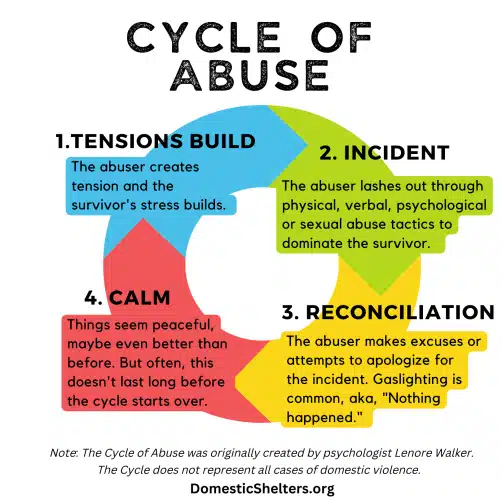
Oh my God.
OK, so then I think you’re both going to love this rankism definitions here that I have in the workbook as well.
And so rankism is not my concept.
It’s from another guy, a Robert Fuller
But basically there’s like 10 ranks of somebody’s and 10 ranks of no, nobody’s.
And so there’s this book by Judith Ann Wambach called The Battle Between Somebodies and Nobodies.
So the somebody ranks, our tyrant seating giant gangster.
Like they’re ganging up on a person in the office.
The grandee, the scapegoater, the fabricator, the gatekeeper, the snubber.
We’ve all played these like, let’s say that there’s somebody asking for money on the street and like, you don’t want to give them money, so you walk on by and don’t acknowledge them.
That’s snubbing them, right?
So nobody, I’m not pointing a finger at anybody in particular here.
I’m pointing it myself, if anything.
And then, you know, the, the types that are the nobody types, you know, the retaliator, the dog kicker, the flatterer, the persuader, the avenger, the gossip, the placator, the noble sufferer, the onlooker, right.
And so the two that are OK to play are the persuader and the activist.
Because then you could be like, hey, we’re doing this, maybe we should stop.
This is illegal in other countries, you know, And so that’s also people who can’t sit home.
I’m showing my workbook so people can kind of delve into that more.
So those links are free for you.
Just go look at them.
I couldn’t link them in the books themselves, so then you can go see, Yeah.
Awesome.
28:42
Recognizing the Scapegoat Role in Family and Work
I love that you mentioned skate motor and yeah, I think so.
When I first really, I met you really, really soon after I left my nonprofit job.
So I had burned out.
I left everything.
I was like I had re baptized myself into my own divinity probably by that point, but maybe not.
I don’t know.
I might have met you even before that, but or at least I followed you before that, probably because I was like I had a parasocial relationship with you at the time.
So yeah, I don’t even remember how we met.
I feel like I emailed you and was like, I think I’m obsessed with everything you’re doing, so maybe that’s it.
But yeah, I think, I think I fangirled.
I might have invited you on my podcast that I had this.
It might have been actually.
But the point being, I used to describe myself at that time as a professional scapegoat.
Like I was in a position, I was the assistant director and the executive director came into the organization after I’d been there for a while.
But what happened was I ended up I was in charge of all of our fundraising.
So I wrote all of our grants, I did all our program development, I managed all the programs, I was overseeing literally every part of our communications strategy.
The only thing I wasn’t in charge of was our finance department, although I did have a shared employee between our finance director and myself who did some grant management work.
But I realized at the end of my time there how stressful it was because I had all of the responsibility but none of the authority.
And my boss took all the authority but didn’t know any anything, and so could easily blame me for anything and everything that went wrong, even though it wasn’t really under my authority.
It was just under my responsibility, which I feel like is a separation of powers that doesn’t act actually work for the person doing the work.
And it also is harmful to the organization as a whole.
But that’s that’s one of my experiences of it.
I’m curious.
And you’ve talked about scapegoating abuse.
And certainly that’s rampant in nonprofit organizations, something that happens all the time.
Well, Sarai, what you talked about is the microcosm and the macrocosm.
So the way nonprofits are structured is that the board has all of the power and none of the responsibility and they’re amateurs managing professionals and the staff has all of the responsibility and none of the power unless they have a union, but even then, right?
So anyone listening to this who’s ever worked in a nonprofit, maybe you can relate.
Maybe there’s some head nodding here.
You don’t even have to be the program director, right?
Or the assistant director or even the executive director to, to experience this.
If you’re a fundraiser, you might come into an organization and they maybe only made 300,000 a year before.
And the boss said, OK, now next year we’re going to make a million because you’re here, you’re just going to make up the hole in the budget.
And if you try to tell them that you, that’s not how fundraising works, you get labeled as difficult or bad or wrong or incompetent when actually you’re just telling the truth and being realistic.
And that’s what scapegoating is.
Rebecca Mandeville has done some incredible research about scapegoating in the family.
She calls it FSA family scapegoating abuse.
She’s got 2 quizzes.
One, do you identify with these elements of being a scapegoat?
And two, is it still affecting you?
And there’s 20 questions in them.
So let me see if I can find some of those questions.
Oh no, I found the anger iceberg, but that’s pretty cool.
Oh my gosh.
I love that picture.
Of the anger iceberg before.
So to describe it, it’s the top of the iceberg that you would be seeing outside of the water is called anger.
And then underneath that, under the water, is all kinds of words that kind of, I think, accumulate into what is then felt or expressed as anger, right?
So disappointment.
32:23

Speaker 1
Yeah, overwhelm, hurt, sad, hungry, insecure, shame, guilt, embarrassment, loneliness, pain, jealousy, contempt, feeling threatened.
So anyway, to get back to scapegoating?
When I found out about this a year and a half ago, I was dumbfounded.
I realized that my role in my family was the scapegoat, and then I went out into the work world and I became the scapegoat again.
And the scapegoat, just to shorthand it, it’s somebody who gets to carry the shadow of the family.
So if we go to jungian psychology for a second, it’s someone who is blamed for things that are definitely not their fault, someone who is always seen as the problem, and someone who can also add in a little extra spice of being eldest daughter or perfectionist or caregiver or second mom.
Don’t know if anyone here can relate to that.
I always tell my siblings, you guys, I’m so sorry.
I’ve been a terrible sister mother because I started being your mother when I was 8 and I didn’t.
Yes, yes, right.
And and this is, and so this compounds our sense of outside response, outsized responsibility and shame that she’s always there, always underlying, right.
And so Rebecca Mandeville, again, great person to follow.
Check out her two quizzes on her website.
She’s coming out with a course by the end of this year that I am so going to take because I want to understand.
I’m still being blamed for my father’s unhappiness even though I haven’t talked to him in six years, haven’t seen him in six years.
And so.
You’re so powerful to have that much power.
Over I really am.
It’s incredible.
I don’t know how I’m doing it, but my magic is working.
So I guess so.
So like, so that’s what the scapegoat, just as an example, you know, but look at Rebecca Mandeville’s website for more because there’s all these different ways it can play out.
But the thing that if you ever like, if this is resonating at all with anyone who’s listening, I just want to say it’s not your fault.
And there’s no way you could say the truth that’s going to make them listen.
And your existence threatens the stability of the family system.
So even if you tell them the truth a million times and go to therapy for 10 years, it’s not going to change anything.
So I want you to let go of hopeless hope, let go of that waiting, and know that focusing on you and filling up your own cup and all of the good people that you’ve gathered around you is enough.
You never have to go back and try to convince them ever again.
35:08
Navigating Family Betrayal and the Price of No
That’s such a freeing thing.
I my last podcast I used to host was called Holy Ghosting.
It was a lot about religious deconstruction.
And one of the things that came up all the time was like, what do I do about my family?
I don’t want to go to Thanksgiving.
I don’t want to talk to them.
They’re going to be all like MAGA and talk about God and make me go to church or something.
And I, I was of the three Co hosts.
I was always like, you don’t really have to.
You just don’t have to have those relationships.
And it feels really weird to do that.
But there was a period of time in my life where I really distanced myself, like from my mom, you know, cuz I had a lot of challenges with her and some hurtful things happened and I just kind of got to the point where I was like, oh, maybe I could just stop standing here and getting slapped.
Like, what if I just didn’t do that and put myself up for this constant rejection That hurts me.
And I just learned how to not be in that position anymore.
And so it shifted.
I can be around my mom now, but it’s partly because I just think of her as like, this lady I know from church, you know, Like, I don’t hate her.
I don’t agree with anything that she believes in, really.
But I also can like coexist with her.
To and not to be there and be abused, right?
Care for yourself.
I feel like I had someone recently say to me, how long have you been a witch?
Because like this thing happened before I took official witch trainer or whatever and I was like, well, I don’t know, according to my family, a long time.
Like I had an experience where my, my mom passed in 2009 of ALS and it was like a long term illness.
And so she was trying to plan for my dad to be cared for after she passed.
And she told my brother and I that we needed to go to our family house and have a meeting.
And I, I told my brother I was like, they’re going to say, you know, that they need to move in with us.
I think this is a bad idea.
Like one of us.
So we got there and my mom said, you know, dad, after I pass, dad needs to move in with one of you.
We think he should move in with Meredith, even though he doesn’t like her, because she’s the better grocery shopper.
And I was sort of like, what a sell, what a sell.
Meredith, I’m so sorry.
Little did she know.
I’m so sorry that happened.
I.
I think it’s just, I think it is common though for I think that we, I think it used to be normal or expected for family systems to be based on dominance.
And I think that there have always been people who didn’t fit within that dominance dynamic.
Like you’re saying that there have always been scapegoats, right?
And I think when you are that person that when you’re that witch doesn’t fit like you have to decide who you, it’s a calling to decide who you are to own.
Yes, I mean, you’ll also find that you chronically self abandoned and you chronically over give because you’re just asking for love over and over again, even if like in the apple cart, the apple cart is empty, but no one wants to overturn it.
You know what I mean?
And and so Sarai, I remember when you told me a personal story about your family, you know, being being pretty terrible to you.
I was just like, like, this sucks.
Oh, I don’t remember.
You know, I don’t.
You didn’t give me a person to share this.
So it was bad.
And that they believe someone else over you.
Yeah, that happens.
Still all the time yeah I mean not as much now but yeah it’s I mean that has happened in the end of my marriage for sure.
Like my mom still invited my ex-husband to stuff and not.
Me which I was referring.
To And then in the last time I broke up, yeah, that’s what I thought maybe.
And the last time I broke up with somebody, it was even they would allow him to talk to them about stuff.
And I was there was a point where I was like, Dad, if you talk to this person again, I will absolutely count that as a betrayal.
Like he has an agenda to get you on his side and to tell you to get me to leave the house that we shared together.
But I’m going to tell you what I deserve to live here.
This is my fucking house, and I put my energy and time and effort and money into doing this shared work with this person.
And I’m not leaving until we settle a dissolved domestic partnership that we have to do.
And so I knew that this person was not going to evict me because it would be public record and people would know and it would make him look bad.
And that’s the main thing that he didn’t want people to know.
Also, he’s on the board of houselessness organizations and in the affordable housing world because of me.
So I’m like fuck off dad, you know what I mean?
But I think I mean just to be honest y’all like that is sometimes what you have to do is to just say like this is a boundary.
You cannot say that you love me and treat me like this and believe this person who is clearly trying to cause me absolute material harm and then still be my in my life like no.
So that’s hard.
It’s hard to do and it took me a long time to get to the point where I was just like, this is the line like y’all, you got to stop it.
But.
It comes back to grief, doesn’t it?
Like the willingness to feel grief for a family, and the shadow of grief, right?
Of people who are still alive, but you have to mourn because you know, they’re not your people, you know?
And that’s hard to accept.
The betrayal is hard to accept, understanding how deeply you’ve been betrayed.
And that’s something else like that.
Again, we could also look at societal scapegoating.
And I would say in American Society, black people are scapegoated a lot, you know?
Oh, yeah.
And so, and now we’re seeing, you know, we could see Islamophobia and, you know, Hispanic people just being thrown into ICE detention centers.
More scapegoating behavior.
You can, you can, you know, you can call them that, right.
And people dying and being raped and everything, right.
So when we study scapegoating, when we study these systems, it allows us to have a context for what’s happening and then how to name it, share it with others, and then maybe take some action of resistance.
But for me, I feel like our movements aren’t strong enough if we don’t do this inner work because we’re just going to recreate those 15 aspects of weight supremacy or we’re going to not check in with our feelings.
And then, yeah, fun fact, if you don’t think that you’re allowed to have feelings and Bell hook said this, you’re going to try to kill them and other people and make emotional zombies.
I think I was right and I think along those lines, I think one of the biggest signals to me that I’m experiencing betrayal and not and being scapegoated in a certain way or losing somebody who’s still alive.
Like you’re saying, Mazarine is a feeling of being vulnerable and not met or being vulnerable and misunderstood.
And to me it feels like deliberate misunderstanding.
But I think in the other person’s experience, it is me not fitting into the system like I’m supposed to, kind of.
But did your dad move in with you, Meredith?
Did not move in with me.
We actually ended up I went to law school instead.
Yeah, but we ended up I basically told my mom I I didn’t think it was a good idea and she was correct that he did not like me.
And it’s not a great idea for two people who one of them hates the other because she’s a witch to be trying to live together just doesn’t work well.
And we had a falling out over it.
But it was a major boundary learning experience.
And it was tough because a lot of, I had a really good friend say to me, the bond between a mother and a child is so important.
And your mom is dying.
This is the last kind of time that you’re going to be able to connect with her.
And I, it made me feel like we’re talking about with scapegoating.
Pretty misunderstood and because I had said to my mom, I ended up just saying to my mom, I love you, I want to have a relationship with you.
I would love for you to reach out to me when you want to talk instead of waiting for me to reach out to you and then being angry with me if I don’t reach out in the right amount of time.
And I’ll reach out if I want to reach out, but I need you to meet me with that.
And she just couldn’t do it.
And so it when my friend was saying I needed to put all this extra effort in and do all the giving that you’re talking about mastering.
I think for me, I was like, I am open to that.
And I need to have some kind of meeting in the middle, some kind of at least a phone call, like the ability for her to pick up the phone and call me instead of using passive aggressive ways to coerce me into giving the right amount of attention to her.
And it was tough.
It was one of the hardest things of my life, actually.
Not that not so much the you’re the better grocery shopper so he should live with you.
But the decision to tell my mom, I need you to meet me for us to be able to have a relationship like I need you to be present in it.
In Gabor Mate’s book The Myth of Normal, they talk about ALS and they say that nurses in facilities can diagnose accurately who comes in and will end up having ALS by how nice they are.
And from my experience with my mom, there was a level of reducing herself and who she truly was and not that became that she wasn’t able to bring who she was because it wouldn’t be nice, you know, it wouldn’t be friendly, it wouldn’t smooth over the rough lines.
And I think that it’s a, it’s unfortunately just a more common experience, like the three of us sitting here having these experiences of not being met within our family systems, I think and it’s wider spread than that.
And it’s so lonely because we all get taught, oh, you should be close to your family, You should be close to your mom, and you should have a really deep, loving relationship.
And if your mom thinks that she’s too much and she has to like basically, and this is a pattern and generational pattern to cook and clean to provide value, right?
And to make the family look good.
And if you do anything to make the family look bad, you’re the enemy.
If you don’t have that perfect image.
Her Sarai is just nodding knowingly.
Uh huh.
Yeah.
And so that sets self betrayal on her part, Right.
And so there’s this book called The Inner Mother, which is really great that can help you unpack some of this.
But also, soul homicide is a real thing.
And I want you to understand that that when someone chronically self betrays and become so brittle, there’s nothing left except that shell.
It was a real turning point for me.
Honestly.
I think Sarai and I talk a lot about covert narcissism and I think covert narcissism starts with cultural value around self loathing and that women self loathing specifically people socialized as women, even self loathing is charming and beautiful and what will attract good things to you.
So if you like self deprecate more, if you criticize your body, if you criticize yourself for speaking too much, all of these things, you will attract the life of your dreams.
You will be attractive to men specifically.
And I think I think what you’re talking about of soul homicide, I thought about in that during that time period of my life as literally cutting off parts of my soul to comply with the cultural expectations around me.
And when I had the conversation with my mom, I had to say, am I going to die?
Am I going to choose death, or am I going to choose life?
And I think a lot of times when people are in those family dynamics, you have to choose one or the other.
It’s not really a Gray area.
It feels very selfish, and that’s a word that’s used to control us, at least for me when I was little.
And now I’ve had to reclaim that word.
But I’ll also say that it really is a matter of life and death for you.
To.
Choose to say, is this person’s comfort worth more than my safety?
And so when I said this to my therapist and I said to my mom, I reported to my therapist, I said to my mom, my safety is worth more than your comfort.
She said BOOM, that’s ancestral healing that happened just now that happened.
So you can’t make someone choose that.
And so a lot of times we hang out having hopeless hope that it’s going to happen, which you can also extrapolate to the nonprofit sector, which you can also extrapolate to entire countries.
I do just really quickly want to just on this point only because I think it you’ve mentioned earlier leave in love and part of that, the very beginning of leave in love is about the options that you have.
Like when you realize something isn’t working, that you’re abandoning yourself for something or whatever it is where you like something doesn’t feel right.
I don’t know what it is.
You have the option to either.
There’s only three things you can do only three, which is so helpful.
1 you can pretend like you didn’t notice.
You can stay small.
You can continue cutting off parts of yourself and in the tiny box that you thought was comfortable before.
And so you just let those walls close in on you and you slowly suffocate yourself.
And it is a kind of death or an actual death.
Or you get sick like something happens.
Or you can choose not to choose, which I think is where you’re in hopeless hope, right?
Like it’s so maybe something will change or like they’ll decide something.
I’ll wait and see.
Bargaining.
Bargaining.
Yeah, right.
Or you can take the leap and you can go, all right, like this isn’t for me.
My safety and my well-being is more important than your approval of me.
And then you leave.
And there’s consequences to all three of those choices.
But the only choice that actually results in your being well and living your life and continuing on your journey is choosing to leave those dynamics.
And so that is I think a really important part.
I actually.
I don’t know if I 100% agree with that, that I feel like I’ve had the experience of getting so big that they kick me out and I like doing that a little bit more than the leaving ahead of time.
I think it’s, yeah, I think that’s true.
But the thing about that is you’re still choosing to be who you really are.
Like, I don’t think it’s that you.
I’m going to quit my job today because I realized that it’s not healthy for me.
It’s more OK, like, this isn’t working.
What would work?
How do I stay here wholeheartedly without sacrificing my well-being?
And what am I actually in control of changing about that?
And it is, I do think that as you start to take up more space, people do situate themselves around you until they’re not able to anymore too.
So it isn’t, it’s not like a cut and dried like this is magic and you just make a choice and everything’s.
Fine, yeah.
And the only reason I say that is when I was going through my sexual harassment experience in my like organization that like the civil rights organization I was working for IA, lot of people told me, and this is, it’s true in the employment world.
Oh, that sounds really bad.
You should leave.
But a lot of times you leaving means you giving up your career.
And I just think that’s not a fair choice for a lot of people specifically like Black and indigenous people, specifically women, specifically people with disabilities.
I think people get disproportionately told to leave and leave and leave and not build their careers.
And then at the same time, I did ultimately leave when they stole enough money from me.
Exactly.
And I think it’s not again, like you’re leaving certain behaviors and you’re leaving behind how you used to accommodate people, even if you remain in the same workplace or even in the same family.
I left my mom without really.
I still see her every other week.
I invite my parents over for dinner so they can hang out with my kids because I want them.
It’s fair, I think for my kids, another grandparent.
So like that’s, that’s something I want, but I have left the toxic dynamic I had with my mom.
So I think it’s a bit nuanced and the word leaving is, I know like very here we go.
This is the end of something and now the beginning of something.
But I think that it can be more fluid than that for sure.
No, this is important because we have to talk about who has consequences for their behavior.
Who pays?
What’s the price of no?
There’s always a price, whether it’s sexual harassment at work, which is, by the way, the price of no is a presentation we had at a conference I did a few years ago.
Or saying no to your family and saying I’m not going to placate my father or whatever the case may be.
So the price for me personally was my parents helped my brothers get houses.
I don’t have a house.
So like I they got a lot more.
They go on vacations with my family.
I couldn’t do that because my dad would be awful to me.
And then everyone just pretend it wasn’t happening.
And then when I went back, my dad would be nice to me for two days and then he’d start to tell me blah, blah, blah, your mom and expect me to gang up on her when she’s standing right there, even behind her back.
I’m just like, no, we’re not doing that.
And so that’s the price of no is oh, OK, then you don’t get all of these financial things that would have been good for you, right?
And so that’s who pays.
So it’s the same thing can happen in a workplace.
The same thing can happen in a society.
You can say I refuse to engage with this approval seeking behavior from authority figures.
So therefore, I’m not going to get some fancy position in a fancy organization, right?
I’m not going to go get that certification, whatever.
Right.
Yeah.
So how do you see that kind of dynamic put people into a nonprofit or make them vulnerable to abuses specifically in the nonprofit space?
Reframing the Scapegoat as ESCAPEGOAT
So it’s OK I this is the reframe I want to do.
It is a gift to be a scapegoat.
It is a gift and I want you to understand why because from a very young age you understood this shit is fucked up.
I have to say something and then if they’re not listening to me, I have to fucking do something.
And then that could be leaving.
It could be staying on your terms, right?
It could be telling a other trusted adult outside of your family.
All of which I did and still I’m going through it.
I’m not healed or enlightened.
This is air quotes for people listening of this.
I’m not saying I’m not claiming to be that person.
I am a little more self aware than I was.
I will acknowledge that.
But when you are used to playing that role at home, then when you go to work and you see the same dynamics play out, then you’re going to say something about it.
And guess what that means You get to be a scapegoat at work again.
Oh, shit.
And this is from the woman who wrote the book about scapegoating.
She told me this.
Yeah, Although you.
So you’re human design, you’re a manifesting generator, but you’re a 3/5.
When I was specifically working with employees in in toxic, harassing, discriminatory work environments, my 3 fives were whistleblower.
Whistleblower, like the 35, is the whistleblower of all whistleblowers, I think and.
It’s heretic, right?
The heretic, Martyr.
Heretic.
Yeah.
I know.
We’re burned at the stake
OK, let me tell you, There is this thing called Grief House griefhouse.org.
Check it out.
They have this thing called Dream Theater.
There is this person.
You get to act out someone’s dream.
It’s really fun.
And OK, I’m sorry I interrupted you, but I have to keep going on the story.
Yeah.
So this woman in her dream was in Italy in a coffee shop and this person was talking to her about, oh, there’s a house you can buy over here.
And she’s like, but half the town was on fire.
Mazzarine, go be a burning building that we’re all ignoring.
So I’m standing over here and I’m like, I’m a burning building.
Look at me and everyone just ignoring me.
I’m like, oh shit, I’m a burning building in my life and people are ignoring me.
Oh book, I am the tower.
It blew my mind man.
From the 35.
Yes, I’m a burning building and no one wants to see, right?
So great to then be like, OK, cool, This gift that I’ve been given means I don’t stay stuck in toxic, broken systems, right?
And then I can then collect tales, leave trails.
I’m not responsible for anyone else getting out.
That’s important.
Yeah, yeah.
But you can collect tales and leave trails, and that’s what Complaint by Sarah Ahmed says.
Great book.
You love.
It nice nice.
That’s awesome.
Yeah.
So it sounds like people who are in it sounds like for you, but tell me if I’m wrong about this, that you were in that this experience of telling the truth that people didn’t want to hear.
And then you track that back to a family pattern that kind of had gone on throughout your life.
Is that right?
Yes, because if you’re a good fundraiser, if you’re any kind of good fundraiser at all or a good leader, you’re going to have to say no.
Because of white supremacy culture, people are not going to hear your no.
So you have to say no, and then you’re going to be called all these names, and then you just have to not internalize it, right?
And that’s really hard because Oh my God, I’ve been fired so many times.
OK, everybody like just know this.
If I go into an organization, I’m assuming I’m going to be fired because I’m going to say shit.
And that’s why it’s so great to be a consultant, because you get paid a lot of money to say the shit that the people who live there are saying and so.
It.
Heals.
It heals something about that scapegoat wound to be listened to and paid well.
Yep, it’s so amazingly true.
It’s that’s exactly right.
And it is a weirdly empowering experience to go, oh, wait, now you do want to hear what I have to say.
And I don’t have to be here all the time.
And if you don’t like what I said or what I give you, you don’t have to do anything with it.
But I got my money and I am going on my way.
And I gave you the best that I had.
You’re welcome.
It’s beautiful.
Here’s my truth.
And now I’m out.
Yeah.
Bye.
You’re.
Welcome.
Yeah.
Yeah.
Yeah.
I know we went so deep so quickly.
I know this podcast.
So Pluto.
We did a lot of growth.
59:14
Being a Witch
Speaker 3
I mean, I think that what you’re calling the scapegoat, I think of as realizing that you’re a witch.
Like I, I do think about it that way.
Like we have intuition, you have understanding, you have sensitivity that is more than the adults around you.
And then you’re taught that it’s bad or dangerous, right?
And then later as an adult, you look back at that child, that inner child, and you’re like, oh, you were right the whole time, kiddo.
You did know what was going on and you had magic.
And I think, I think sometimes we’re like, that makes me weird.
What would makes me weird is the thing I should hide.
What makes me weird is the thing that makes me dangerous.
What makes me weird is the thing that makes me not fit with the people around me.
And I had to personally come to terms.
With the concept that I belong because I’m different, because I bring insight that other people don’t have and I’m the only one that’s saying it, and that is what is valuable rather than trying to mimic fitting in.
If that’s what a witch is, then call me a witch too.
Yeah, like absolutely new witch first on this podcast.
It is funny, I always think of being a witch as it’s not a thing you become exactly.
It’s just a thing you one day you’re like, I’m a witch.
I’ve just been a witch this whole time and you just realize it’s more like you just realize it more than you’re like, I’m gonna do that.
It’s no, you’re just like, shit.
This is literally the whole thing I’m ever doing is I’m casting little spells.
And when I was when I was at my first big nonprofit organization, that assistant director job, I literally was like, I don’t know, I have an idea.
And then it becomes a real thing.
Like I was a kid, I grew up in Springfield OR I’d drive through downtown every day as a kid and be like, wow, someday I want to make this cool.
And then one day I did do that.
Like now people literally go there on purpose from Eugene even, which would have never happened in the 90s.
And that’s I didn’t do that alone, but it is something that I was like, I’m going to do that someday.
And then I did it and then I moved on to the next thing.
But I think that’s part of it is like recognizing these little weird trails that you’re create the bread crumbs almost of who have I always been and then putting them together and recognizing, oh, that’s just been been leading me all along the way.
And it’s a beautiful thing.
And seeing it as a form of power and self knowing, I think like you’re saying, Mazarine, I think it’s really important to say.
I think having people not understand it is also a honorable component of it.
That is not a shameful component, I think.
1:02:09
The Transformative Power of Choosing to Be Healed
Yeah.
I’ll tell you how this played out.
At the Neon One tech conference online in 2021.
I started talking about techno futurism and corporate totalitarianism, and the guy who brought me in was all like, everybody hated your presentation.
It was the lowest rated one and now it’s happening.
And so Cassandra, again, I take no pleasure in being right.
I take no pleasure in being right about this.
I wish we didn’t live in a techno dystopian hellhole, right?
But.
I think I was right.
Pleasure.
Where you can get it?
Take some, yeah.
I take a little pleasure of being right, but I don’t.
I wish I hadn’t been because then we wouldn’t be living in this future.
True, but I think it is the divine right of the Virgo to say, I told.
You, especially when your Sun and Saturn are sitting right there.
In a fixed house, that is.
That is your divine right, and I think you could say it.
Yeah, yeah.
So, yeah.
Do you want a healthy organization?
Cool if you don’t.
I told you, yeah.
It’s in the Bible.
I like to go.
Jesus said I told you.
He does, but more importantly, what Jesus says, there’s a pool and all these people are laying on their mats outside this water that magically gets stirred up by angels and blah, blah, blah.
And somebody can never get there fast enough because they can’t pull up their mat and walk down there.
And Jesus walks up and he’s, Do you want to be healed?
And I feel like the answer to that question could be yes, it could be no.
It could be like, maybe you don’t know but like.
Ultimately.
That is the question, Do you want to be healed?
Because there is also a price for that.
There’s a price of no, There’s a price of I do want to be healed because you let go of stuff you have to shed, the things that are keeping you sick or wounded or otherwise entrapped.
And so is scary because asking for healing is asking to be actually accountable in some different ways, I think, and to.
Transform kind of to have change when I was, I think when I was like in my teens and 20s, I read that passage as do you want to be healed?
And the more, the older I get, the more it’s do you want to be healed?
It’s more how I read it because you don’t seem like it.
Yep.
Yeah.
And hey, some generations, some people.
No is their choice.
No is a valid answer.
And for me, my understanding now is I don’t get to decide for them and I don’t get to assume that they want it.
Right.
If they come to me then we can talk, but otherwise not my fucking business and so codependency ties are broken totally and I.
Think I, I think part of what you’re saying, so maybe I’m just repeating it is it might not the yes might not be right for them.
The healing might not be the right thing for them and they might also might not be the right person for me.
They might not be correct for me, and that’s OK to.
Yeah, no matter who they are, if they’re my progenitor, if they’re somebody that I’ve known for 18 years and we had to end the friendship, like there’s grief there too.
There’s so much grief and it’s still the right decision, even if you’re sad.
Yeah, yeah, I pulled the 10 of Swords.
I do a reading every day and for my emotional body, the reading, the card was 10 of Swords And 10 of Swords is a card that like in the modern witch deck, which isn’t the one I use, but I love this particular 10 of Swords.
It’s the Everything is fine card, but it’s a woman like laying on the ground in a puddle, basically looking at her phone.
And in the back of hers, she’s stabbed with 10 Swords.
Everything’s fine.
And yeah, yeah.
But I think that 10 of Swords is actually that space of grieving what is dying or is to be let go.
And it is painful.
And sometimes it comes from a betrayal of sorts.
Sometimes it comes from just something coming to a natural ending that you’re trying to hold onto.
And I think this that is a 10 of Swords experience, the thing that you’re describing really like on a deep level.
I recognize I like love the tarot because of the mythological language of it all.
But I think that’s a big part of it that like we do get to grieve and let go of certain things.
And then also we move on. 10s are an ending, but also always the spark of a new beginning.
And that’s the transformation piece of it.
That’s where the ten of all of tarot in any of the suits is like literally about that transformative.
Here’s an ending, and the beginning now can come.
If I can wrap this up in a nice little bow, because I know we’re running out of time, I’d like to invoke the Vulture goddess from the ancient Egyptian pantheon, Ma’at.
It’s MA apostrophe AT Ma’at is a vulture.
She eats the garbage and then she throws it up again so we can look at it and we see, wow, that story was really making us sick.
Let’s swallow a better story.
And that’s really all that it is.
Do you understand?